Best Food Plastic Wrap Options for Global Buyers?
When it comes to preserving food, the importance of quality Food Plastic Wrap cannot be overstated. Choosing the right wrap can make all the difference. Globally, buyers face a myriad of options, each claiming to be the best. Yet, how do they truly measure up?
In a world filled with choices, understanding what makes food plastic wrap effective is crucial. Thickness, adhesive strength, and material safety are vital factors to consider. Many buyers overlook these details, leading to less-than-satisfactory purchases. Some wraps cling beautifully but may contain harmful chemicals.
Moreover, manufacturing practices vary by brand, and some wraps may not be eco-friendly. This raises questions about sustainability choices. Obtaining reliable information about the best Food Plastic Wrap options is essential. By doing so, consumers can make informed decisions, ensuring their food remains fresh while also considering health and environmental impacts.
Global Overview of Food Plastic Wrap Types
When exploring food plastic wrap options, understanding the types available globally is essential. Different materials offer varying levels of stretchability and durability. Polyethylene is common, valued for its flexibility and low cost. Its waterproof properties make it a kitchen staple, yet it may not provide optimal air protection.
Another option is PVC wrap, which tends to cling better than polyethylene. It creates a tighter seal around food, preserving freshness. However, concerns about potential plasticizers have arisen. Many buyers weigh the benefits against potential health risks. Both types can be reused, but improper use impacts safety.
Users often face challenges when selecting the right wrap. Adhesive quality can differ across products, affecting ease of use. Additionally, some wraps may tear easily, leading to frustration. Understanding personal needs and application methods makes a difference. Investing time in research can yield better choices for food preservation. Choices vary widely, and reflection is key to finding the best fit.
Factors to Consider When Choosing Food Plastic Wrap
When selecting food plastic wrap, there are key factors to consider. Thickness is crucial; a thicker wrap often provides better durability. For example, if you plan to store heavy items, opt for a more robust option. The type of material also matters; some wraps are designed to be microwave-safe while others are not. Knowing your needs can help avoid unwanted surprises.
Adhesion strength is another significant aspect. Some wraps cling better than others, which can prevent leaks and spills. It can be frustrating when food is not securely covered. Furthermore, environmental impact is gaining attention. Consider eco-friendly options, as they can reduce waste. However, balancing performance and sustainability is often a challenge.
Lastly, ease of use plays a role. A roll that easily dispenses can save time and frustration. Poorly designed packaging can lead to wasted wrap and increased costs. Many consumers overlook this factor, but it can influence daily use. Reflecting on your usage patterns can lead to better choices.
Top Brands of Food Plastic Wrap Available Worldwide
When selecting food plastic wrap, global buyers have several options. These products vary in material, thickness, and clarity. A reliable wrap keeps food fresh while being easy to use. Many wraps are microwave-safe and freezer-friendly, appealing to diverse customers worldwide.
Here are a few tips to consider before purchasing. Look for plastic wraps that offer excellent cling properties. This ensures that they adhere tightly to bowls and dishes. A thicker material often provides better protection against leaks. Also, consider wraps that are safe for both hot and cold food storage.
Some users report issues with cling and durability. It’s essential to assess product reviews before buying. Often, the perfect balance of quality and cost matters. Watching for eco-friendly options might also lead to better choices. Always read labels for guidelines and use responsibly.
Best Food Plastic Wrap Options for Global Buyers
Sustainable Alternatives to Traditional Food Plastic Wrap
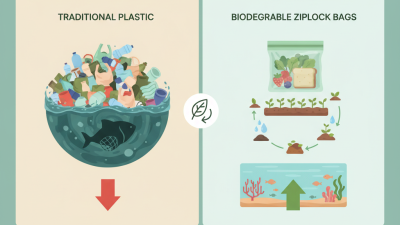
As consumers become more environmentally conscious, the demand for sustainable alternatives to traditional food plastic wrap has surged. Many people are looking for options that offer the same convenience without the environmental impact. One popular choice is beeswax wraps. These reusable wraps are made from organic cotton coated in beeswax, making them biodegradable and compostable. They work well for covering leftovers and wrapping sandwiches, catering to various food storage needs.
Another emerging alternative is plant-based wraps. These wraps are created from materials like rice paper or mushroom mycelium. They are fully biodegradable and often come in vibrant colors and designs, appealing to eco-friendly consumers. Unlike plastic, these wraps allow for breathability, which can help keep food fresher for longer. However, they may not provide the same longevity in certain high-moisture environments.
While these sustainable options show great potential, they are not without challenges. Users might find them less effective for specific tasks, such as sealing tight or keeping strong odors contained. Additionally, the availability and affordability of these alternatives can vary widely, depending on location. It's important for consumers to weigh these factors when making their choices, ensuring that they contribute positively to both their household and the planet.
User Reviews and Recommendations for Food Plastic Wrap
When choosing food plastic wrap, user reviews play a crucial role. Many buyers express concerns about durability and clinginess. A common point raised is that not all wraps stick well to various containers. Some wraps might tear easily, which can be frustrating during meal prep. It's essential to consider the thickness and stretchiness of the wrap. Many users recommend checking for options that offer a strong seal against air and moisture.
Another area of discussion is the ease of use. Some users appreciate wraps that come with a built-in cutter, making it easier to dispense. However, many also find their experience hindered by tricky unwinding mechanisms. Complaints about the product getting crumpled or sticking to itself are frequent. Users want a wrap that is user-friendly and makes food storage hassle-free.
Feedback indicates that eco-friendly options are gaining popularity. Many reviewers prefer biodegradable materials over traditional plastic. This shift is partly due to growing environmental awareness. However, some users note that these options can sometimes perform differently. They may not always offer the same level of cling. Balancing eco-friendliness with functionality is an area where many consumers seek improvement.