How to Choose the Best Property Management Garbage Bags?
Choosing the right Property Management Garbage Bags is crucial for effective waste management. It impacts overall cleanliness, tenant satisfaction, and environmental considerateness. With so many options available, selecting the most suitable bags can feel overwhelming.
Consider the size and strength of the bags. Larger buildings may require sturdier options to handle heavy waste. Assess the type of waste generated. Some properties deal with organic waste, while others focus on recyclables. This distinction is essential in the selection process.
Moreover, consider biodegradable options. These not only support sustainability but can also enhance the property's image. Investing in high-quality bags might seem expensive at first. However, poor-quality bags can lead to leaks and increased cleanup costs. Reflecting on your choices will ultimately lead to better waste management outcomes.
Identifying Different Types of Garbage Bags for Property Management
When selecting garbage bags for property management, understanding the various types available is essential. Common choices include puncture-resistant bags, which are ideal for construction sites and heavy-duty waste. According to the Environmental Protection Agency, the average American generates about 4.5 pounds of waste daily. This emphasizes the need for robust bags that can handle segmented waste effectively.
Biodegradable bags have gained traction in property management. They break down in landfill conditions, reducing long-term environmental impact. A study by the American Plastics Council reported that using biodegradable options can decrease landfill waste by up to 30% over five years. However, some challenges remain. Biodegradable bags may not always be available in various sizes, limiting their use.
Recycling bags are another critical option. These bags help in segregating recyclable materials, aiding compliance with waste management regulations. Yet, inconsistent local recycling capabilities can make their effectiveness questionable. Many property managers struggle to find the right bags that align with municipal guidelines. Investing in education about these options is vital for improving waste management outcomes.
Evaluating Bag Strength and Durability for Heavy Waste Disposal
When evaluating garbage bags for property management, strength and durability are critical. Reports indicate that up to 30% of garbage bag failures happen during heavy waste disposal. This can lead to costly clean-ups and environmental hazards. Selecting the right bag minimizes these risks.
Look for bags made from high-density polyethylene or low-density polyethylene. Industry research shows that low-density bags are typically more puncture-resistant. They can handle sharp objects like broken glass without tearing. A bag's weight capacity often reflects its material quality. Many professionals recommend bags with a weight capacity of at least 30 gallons for heavy disposal tasks.
Testing the bags before use is vital. In practice, many managers discover that not all products perform as advertised. It's crucial to trial various brands and types. Observe how they hold up under pressure. The goal should be a reliable bag that reduces the chance of ripping or leaking. The right choice saves time and resources in the long run.
Assessing Environmental Impact: Biodegradable vs. Conventional Bags
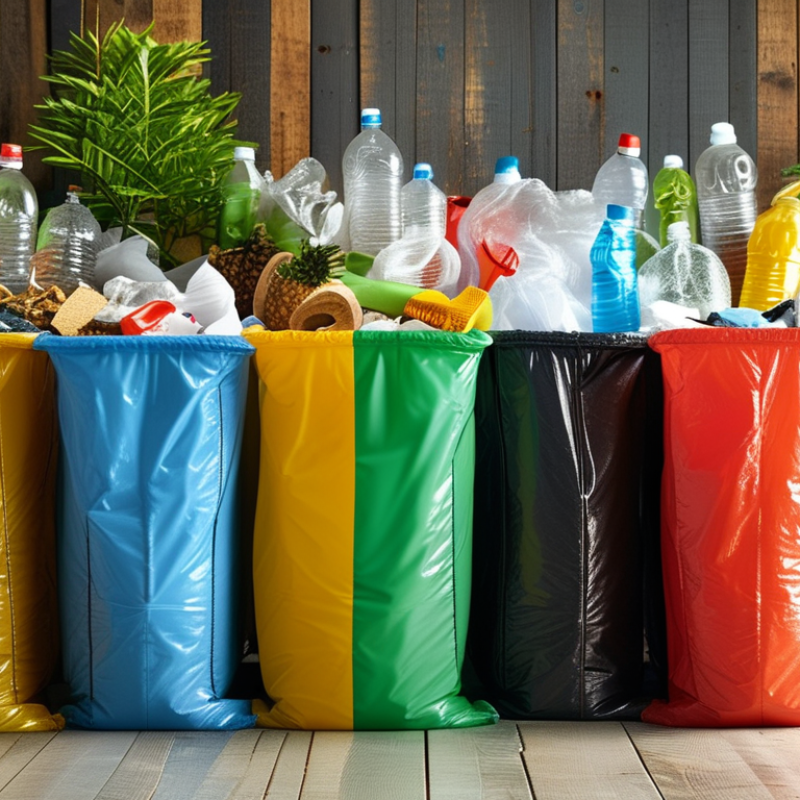
When choosing garbage bags for property management, the environmental impact can't be ignored. Biodegradable bags break down naturally, reducing landfill waste. They are typically made from plant-based materials. These bags are better for the planet, promoting sustainability.
Conventional garbage bags, made from plastic, contribute to long-term pollution. They can take hundreds of years to decompose. While they may seem cheaper upfront, they often come with hidden costs. Using these bags perpetuates a cycle of waste. Costs associated with pollution cleanup and resource depletion add up over time.
It's essential to consider your values when selecting bags. Do you want to prioritize convenience or sustainability? Reflect on how your choices impact the environment and future generations. Sometimes, the immediate benefits of conventional bags seem appealing, but their long-term effects are concerning. Embracing biodegradable options may require a shift in thinking, but it reflects a commitment to better environmental practices.
Understanding Size and Capacity Requirements for Various Properties
Choosing the right garbage bags for property management is crucial. Understanding size and capacity is key. Different properties generate varying amounts of waste. For residential buildings, average waste per unit can reach 5 to 15 pounds weekly. Common bag sizes for such units range from 13 to 30 gallons.
Commercial properties present additional challenges. They often require larger capacity bags, around 55 gallons. A report by the Waste Management Association indicates that businesses can produce up to 1,500 pounds of waste weekly. This necessitates using sturdy, reinforced bags to prevent tearing and leakage.
Moreover, bag thickness matters. Thicker bags can handle heavier loads, but they are also pricier. It's essential to balance cost and durability. A common error is underestimating waste generation, leading to frequent bag changes. Property managers must assess waste production regularly for efficiency. Each type of property may present unique challenges based on occupancy rates and waste habits.
Property Management Garbage Bags Size and Capacity Analysis
Budgeting for Quality: Cost Considerations in Bulk Purchases
When choosing property management garbage bags, cost is a critical factor. It’s easy to overlook quality when focusing solely on price. Yet, selecting lower-priced options often leads to dissatisfaction. These bags may tear easily or fail to contain waste properly. You might save money initially but could face higher costs in the long run if you have to replace damaged bags frequently.
Purchasing in bulk can offer significant savings. However, understanding the balance between cost and quality is essential. Investing a bit more in durable bags can enhance waste management efficiency. When managing properties, every detail counts. If bags break, you may have to clean up messes more often. This could lead to additional costs, and that can add up quickly.
It’s also important to consider the environmental impact of your choice. Cheaper bags may not be eco-friendly. This is a serious consideration in today’s world. Clients appreciate sustainable practices. Choosing reliable, quality bags is a reflection of your standards. While cost-efficiency matters, don’t forget about the bigger picture. Balancing those costs with quality will yield better results for your property management business.