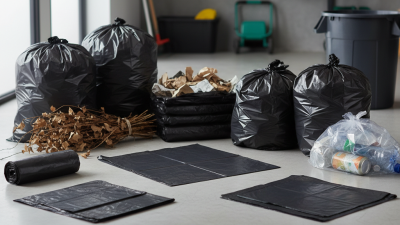
Why Choose the Right Garbage Bags for Your Needs?
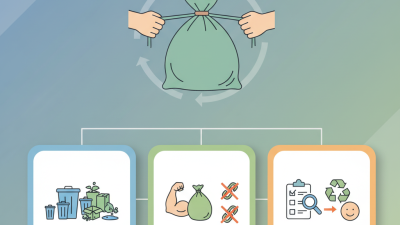
When it comes to selecting the right garbage bags, choices abound. However, making the right decision is crucial for effective waste management. According to industry expert Dr. Emily Johnson, “Using the correct garbage bags can significantly impact waste disposal efficiency.” Her insight highlights the importance of choosing bags tailored to specific needs.
Garbage bags come in various sizes and strengths. Some are designed for heavy-duty waste, while others cater to lighter loads. Selecting the appropriate type is essential; using a weak bag for heavy items could lead to spills. This not only creates a mess but also becomes a potential health hazard. An informed choice can prevent future frustrations.
Moreover, one must consider eco-friendliness. Many brands now offer biodegradable options that are better for our planet. Understanding the materials involved ensures that consumers make sustainable choices. Remember, the right garbage bags not only facilitate easier waste disposal but also reflect our responsibility towards the environment.
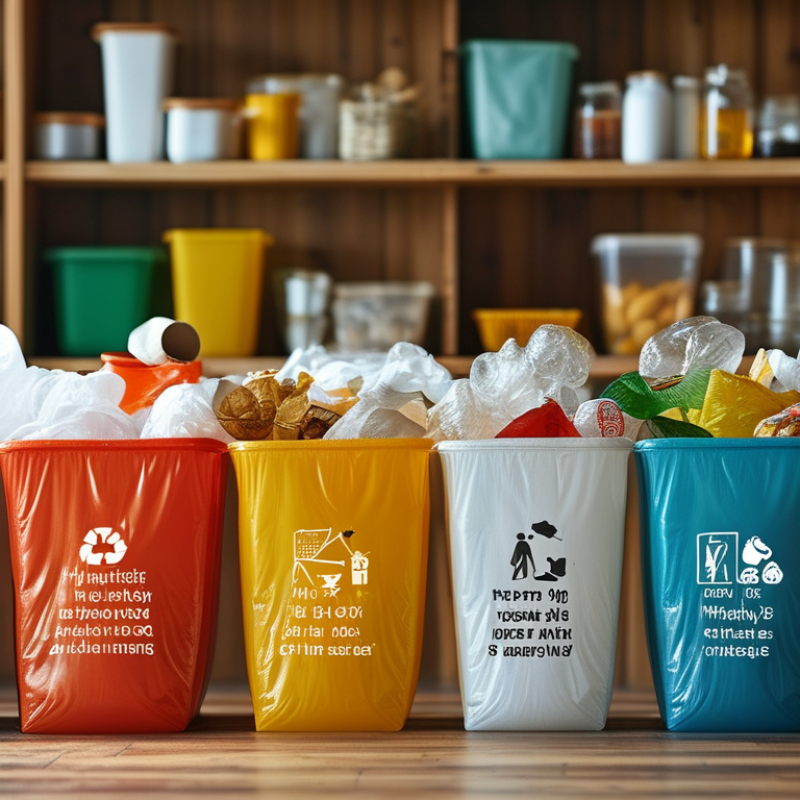
Understanding the Different Types of Garbage Bags Available Today
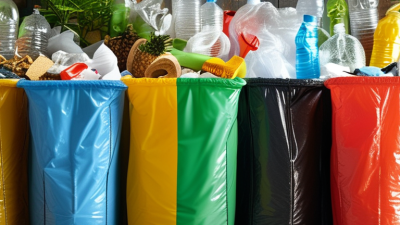
Choosing the right garbage bag ensures efficiency in waste management. There are several types available today, each designed for specific needs. Let's explore some of them.
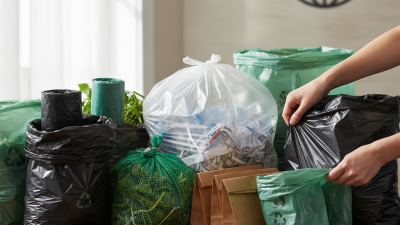
Plastic bags are common for everyday use. They come in various thicknesses. Thicker bags can handle heavier loads, while thinner ones suit lightweight trash. Biodegradable options are becoming popular for those concerned about the environment. These bags break down over time, reducing landfill waste.
Tips: When choosing a bag, consider what you'll discard. A kitchen bag needs durability and odor control. For yard waste, opt for larger bags designed for heavier debris. Always check the bag's size and weight capacity before buying.
Another type is the contractor bag. These are extra thick and ideal for construction waste. They handle sharp objects without tearing easily. However, they might be overkill for simple household trash. It’s essential to reflect on your specific needs to avoid wasteful purchases.
Reevaluating your cleaning routine can also lead to smarter choices. The right bag can save you money and reduce hassle. Taking time to understand what types of garbage bags suit your lifestyle can make a difference.
Evaluating the Importance of Bag Strength and Durability
Selecting the right garbage bags is essential for effective waste management. The strength and durability of these bags can significantly impact your overall experience. According to a report by the American Institute for Packaging and the Environment, over 30% of bag failures occur due to inadequate strength. This highlights the importance of choosing bags designed to withstand punctures and heavy loads.
When evaluating bags, consider materials like high-density polyethylene, which offers better durability. A bag's thickness, measured in microns, directly correlates with its ability to handle weight. Generally, thicker bags handle more stress. A study found that bags over 30 microns showed a 50% lower failure rate. While it is crucial to find bags that suit your needs, no bag is perfect. Users often report issues with compatibility for different waste types.
Tips: Always test bags in various conditions. Strength may vary based on temperature or type of waste. For outdoor use, consider UV-resistant options. Ensure you don’t overload bags, as this can lead to unexpected tears. Strive for a balance between strength and flexibility to improve performance. Ultimately, understanding the nuances of bag strength will enhance waste management efforts.
Choosing the Right Size for Your Garbage Disposal Needs
Choosing the right size for your garbage bags can seem trivial, but it significantly impacts your daily waste management. A properly sized garbage bag ensures efficiency and cleanliness. Bags that are too small often overflow, creating a mess. Conversely, oversized bags take up unnecessary space and can be cumbersome to handle.
When considering sizes, think about your typical waste volume. A small kitchen may require 13-gallon bags, while larger families might need 30-gallon options. Assessing what you throw away can guide your choice. It’s essential to remember that not all waste is the same.
You might find yourself frustrated when bags rip or leak due to being overloaded. This situation highlights the importance of understanding your disposal needs. Inappropriate sizes lead to waste, both in material and effort. A little reflection on your waste habits can save you hassle in the long run. Selecting the right size leads to a cleaner and more efficient home.
Assessing Eco-Friendly Options for Sustainable Living
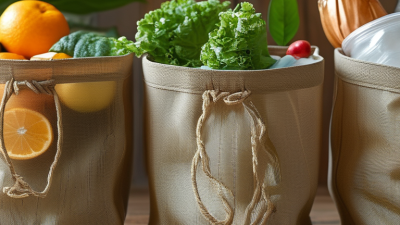
Choosing the right garbage bags can significantly impact sustainability. Eco-friendly options are increasingly available. These bags often use biodegradable materials, reducing landfill waste. Many individuals don’t realize that traditional plastic bags take centuries to decompose. This fact makes the choice of garbage bags crucial in our daily lives.
Using recycled materials in garbage bags is another sustainable option. These bags help divert plastic from landfills. However, their performance may not match that of conventional bags. They can tear easily, requiring careful handling. Additionally, some eco-friendly bags may not break down effectively in home composting systems. Understanding these limitations is essential for making informed choices.
Many consumers still equate thicker bags with better durability. While thicker bags can hold more weight, they often lack sustainability. Striking a balance between functionality and eco-friendliness is challenging. Research suggests that switching to greener options is a step toward a sustainable lifestyle. Embracing eco-friendly garbage bags is not just a trend; it’s a necessary shift for the environment.
Determining Cost-Effectiveness of Various Garbage Bag Brands
Choosing the right garbage bags can significantly influence your cost-effectiveness. Many consumers often overlook the importance of quality when selecting a garbage bag. According to recent industry reports, high-quality bags can hold up to 30% more waste without tearing. This means fewer bags are needed, which ultimately saves money.
Tip: Always check the maximum weight capacity indicated on the packaging. This can guide your choice based on your typical waste volume.
It’s also essential to compare prices among different brands. Illustratively, some bags may appear cheaper initially but fail to perform, leading to potential overages in waste management costs. Statistics show that buying budget bags can result in spending more overall due to frequent replacements.
Tip: Buy in bulk to minimize costs per unit. However, ensure you're still choosing a bag that meets your needs to avoid wasteful expenses.
Evaluating features like material strength and size can determine your overall satisfaction. A thoughtful choice might save you from the frustration of bag failures, which can create additional clean-up work. Reflecting on your selection process may reveal areas for improvement.