2026 How to Choose Biodegradable Ziplock Bags for Your Needs?
As environmental concerns rise, biodegradable products gain significant traction. The global biodegradable bag market is projected to reach approximately $7 billion by 2027, reflecting a growing commitment to sustainability. Biodegradable Ziplock bags are an essential option for both consumers and businesses aiming to reduce plastic waste.
Selecting the right biodegradable Ziplock bags can be a daunting task. Various factors, such as material composition and degradation rate, play critical roles in their effectiveness. Many products claim to be biodegradable, but not all meet rigorous industry standards. In fact, a 2020 study indicated that around 40% of biodegradable plastics do not decompose as advertised in landfill conditions. This discrepancy highlights the necessity for informed choices.
When evaluating biodegradable Ziplock bags, consider their certifications. Look for bags marked with recognized standards like ASTM D6400. Expertise is crucial in making these selections, as not all biodegradable options perform equally. Be mindful that even biodegradable plastics can take years to break down, which raises questions about their overall efficacy. Balancing performance with environmental impact requires careful consideration and ongoing reflection.
Understanding Biodegradable Ziplock Bags: Key Features to Consider
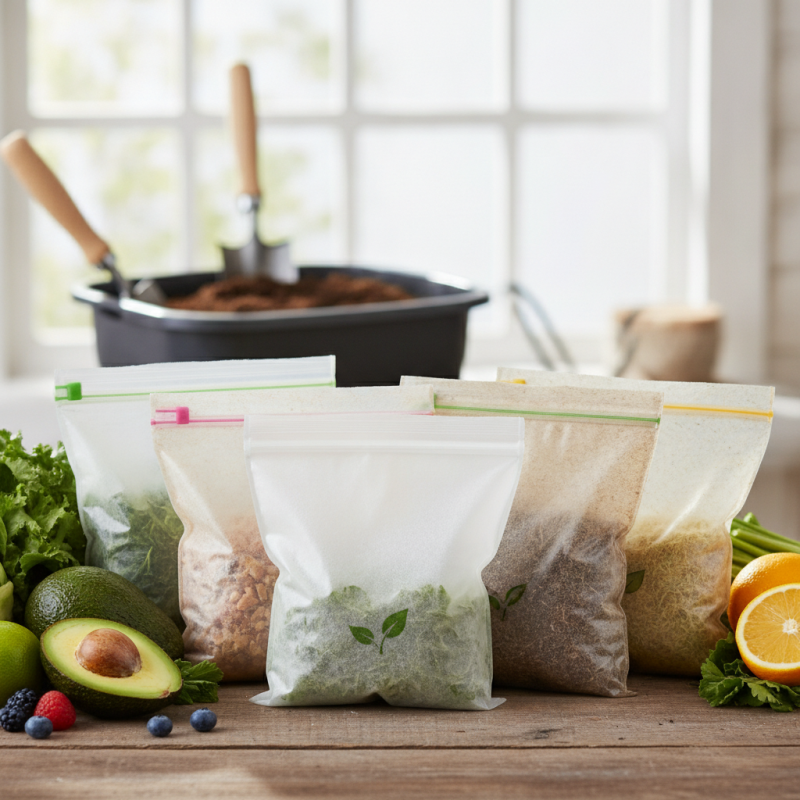
When choosing biodegradable ziplock bags, consider several key features. First, look for materials used in production. Many bags are made from plant-based sources or compostable plastic. These materials break down significantly faster than traditional plastic. Understanding the specific type of biodegradable material is essential. Not all bio-based bags decompose in the same way or time.
Next, consider the bag's thickness and durability. Thicker bags may offer better strength but could impact biodegradability. A balance is crucial for everyday use. Check the manufacturer's claims regarding compostability and environmental impact. Some bags may not perform as promised, leading to disappointment.
Finally, pay attention to seals and closures. Some ziplock bags have simpler closures, while others offer enhanced sealing options. This impacts how well the bags perform in protecting contents. These features can affect your experience, requiring some research. Evaluate options available in the market to find what's best for your lifestyle.
Types of Biodegradable Materials Used in Ziplock Bags
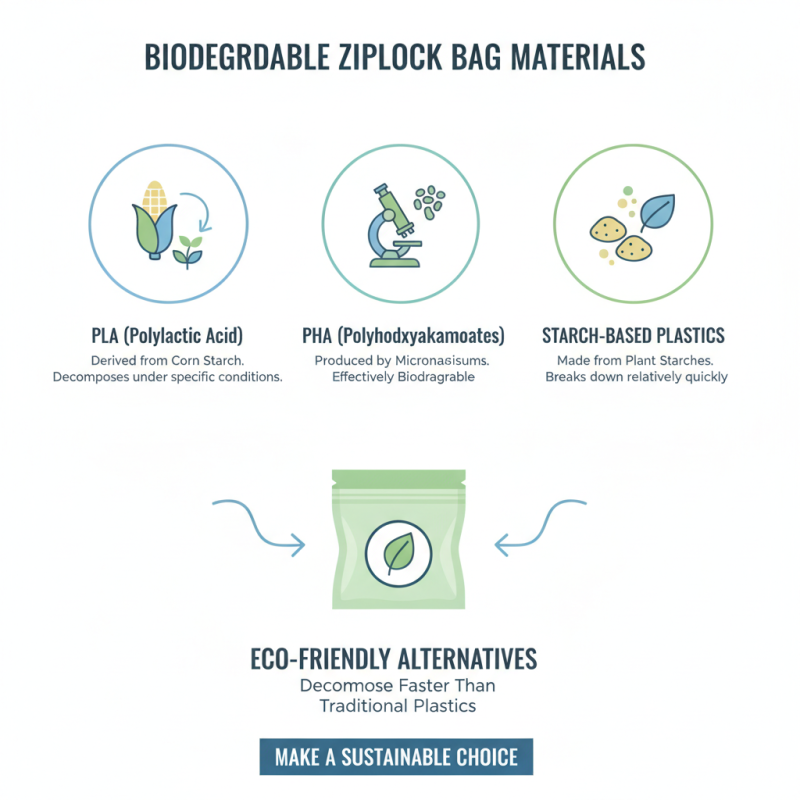
When selecting biodegradable ziplock bags, understanding the types of materials is crucial. Common options include PLA, PHA, and starch-based plastics. PLA, or polylactic acid, comes from corn starch. It breaks down under the right conditions, making it an attractive choice for eco-conscious consumers. PHA, derived from microorganisms, also offers effective biodegradability. These materials decompose more quickly than traditional plastic.
Starch-based plastics are another popular choice. They blend starch with other polymers to create a functional bag with environmental benefits. These bags can perform well in everyday use. However, they may not always break down effectively in a home composting setup. Each material has its pros and cons.
Many users have found that the choice depends on specific needs. Some bags might not meet durability standards for heavy-duty items. It's important to assess how often you'll use the bags. The effectiveness of biodegradation also relies on proper disposal. Many consumers realize that while biodegradable options exist, their lifestyle and local waste facilities will dictate the actual environmental impact.
Assessing the Environmental Impact of Biodegradable Ziplock Bags
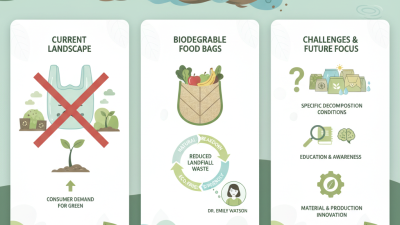
When considering biodegradable Ziplock bags, it's crucial to understand their environmental impact. A 2021 study by the Journal of Cleaner Production revealed that biodegradable materials can significantly reduce pollution when disposed of in the right conditions. However, these bags require specific composting environments to break down effectively. When introduced into regular landfills, they may not decompose as intended.
According to a report from the Biodegradable Products Institute, not all biodegradable bags are created equal. Some may decompose within months, while others can take years. If these products contain additives like heavy metals, they could harm soil quality. It's vital to scrutinize materials and certifications before purchasing. Many consumers find the labeling confusing. Without proper standards, it’s easy to be misled.
The effectiveness of biodegradable Ziplock bags also depends on consumer behavior. Many people still dispose of them as regular plastics. This misstep undermines their potential benefits. Even well-designed products can fail in a world unprepared for proper composting. Education on proper disposal methods is essential. Understanding these nuances can lead to better decision-making for individuals and businesses alike.
Practical Tips for Selecting the Right Size and Thickness
When selecting biodegradable ziplock bags, size and thickness are essential factors to consider. The right size ensures your items fit well without wasted space. It’s crucial to assess what you’ll store. For snacks, smaller bags may suffice. For packaging bulk items, larger options are necessary.
Thickness plays a significant role in durability. Thicker bags tend to be more robust, capable of holding heavier items without tearing. However, thicker bags can be less flexible. Consider the use: for lightweight storage, medium thickness might be adequate. For heavier materials, opt for thicker options to prevent leaks.
Tips: Always check the bag's specifications. Some bags list their capacities. Don’t rely solely on visuals. If the item is irregularly shaped, a bag that expands may work better. Keep in mind the environment. Even biodegradable options can impact waste management. Think critically about your choices and their longevity in the environment. Each decision you make can contribute positively or negatively.
Cost Considerations: Price vs. Sustainability in Choice
When choosing biodegradable ziplock bags, cost considerations play a fundamental role. A recent study by EcoPack found that biodegradable options can cost up to 30% more than traditional plastic bags. This price difference often leads consumers to overlook sustainable products. However, the environmental impact of single-use plastics cannot be ignored. According to the World Economic Forum, over 300 million tons of plastic waste are produced globally each year.
Investing in biodegradable bags can contribute to reducing this staggering number. While the initial price might seem high, they break down within 3-6 months in composting conditions. In contrast, conventional plastic can take centuries to decompose. By selecting biodegradable options, consumers support a market focused on sustainability.
Moreover, it's essential to consider the long-term benefits. Reports from the McKinsey Center for Business and Environment suggest that sustainable choices can lead to cost savings through reduced waste management fees. Community initiatives also emerge, promoting recycling and waste reduction. Understanding the balance between price and ecological responsibility is crucial. Consumers often grapple with the complexity of sustainability vs. immediate cost.