2026 Top Trends in Eco Friendly Biodegradable Ziplock Bags?
In recent years, consumer awareness of environmental issues has surged. This shift has prompted significant innovation in packaging materials, particularly in the development of biodegradable ziplock bags. According to a report by Market Research Future, the global biodegradable plastic market is projected to reach $13.2 billion by 2026. This growth is largely fueled by eco-conscious consumers seeking sustainable alternatives.
Biodegradable ziplock bags offer a practical solution for both consumers and businesses. These bags decompose within months instead of decades, addressing the critical issue of plastic waste. A survey conducted by the Plastic Pollution Coalition found that approximately 91% of plastic products are not recycled, contributing to pollution. The demand for biodegradable options is evident in various sectors, including food services and retail.
However, the market for biodegradable ziplock bags is still evolving. Challenges remain in terms of production costs and consumer perception. Awareness of the benefits of these sustainable bags is essential. While advancements happen, misconceptions can hinder wider adoption. As we explore the top trends in biodegradable ziplock bags for 2026, a focus on education and transparency will be crucial in building trust with consumers.
2026 Eco-Friendly Biodegradable Ziplock Bags: Industry Overview
The eco-friendly biodegradable ziplock bag industry is witnessing significant growth. According to a recent report by the Biodegradable Products Institute, the market is projected to reach $700 million by 2026. This growth reflects increasing consumer awareness about environmental issues. Sustainable packaging options are now a priority.
Many eco-friendly ziplock bags are made from plant-based materials. They decompose more easily than traditional plastic bags. However, it's important to remember that not all biodegradable products are created equally. Some still require specific conditions to break down.
Tips for choosing the right biodegradable ziplock bags include checking for certification. Look for bags that comply with ASTM D6400 or EN 13432 standards. These certifications ensure the bags will decompose in industrial composting facilities. Additionally, consider the end-of-life disposal options for the bags. Ensure they align with your waste management systems to maximize their eco-friendliness.
As you switch to biodegradable options, reflect on your consumption habits. Are you truly reducing waste? Using these bags is a step forward, yet it requires a holistic approach to sustainability. Evaluating your overall impact can lead to more meaningful change.
Key Materials Used in Biodegradable Ziplock Bags for Sustainability
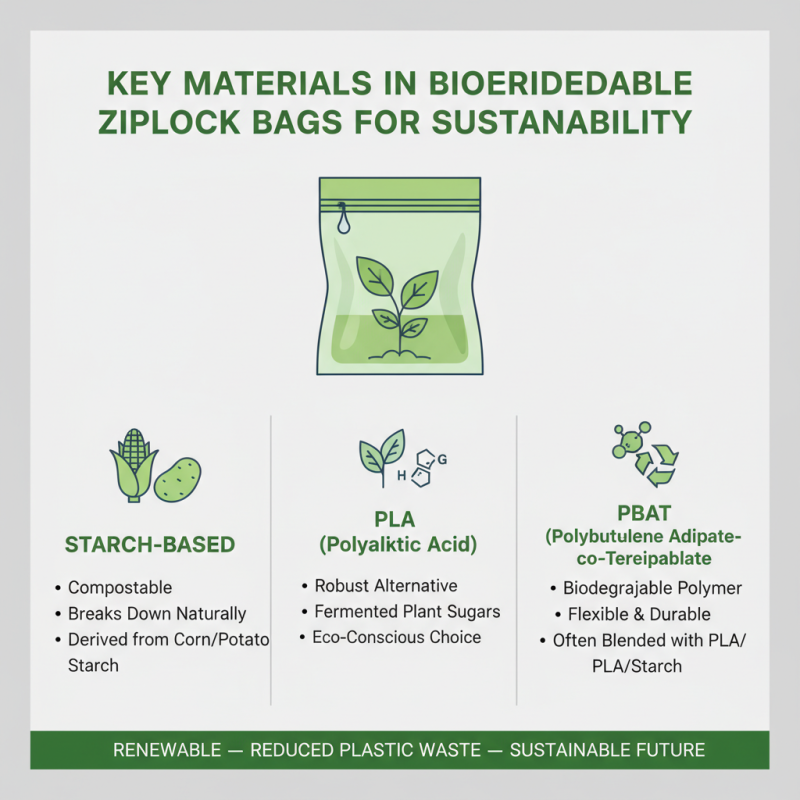
Eco-friendly biodegradable ziplock bags are gaining popularity due to their sustainability. These bags are primarily made from renewable materials. Common materials include starch, PLA (polylactic acid), and PBAT (polybutylene adipate-co-terephthalate). Starch-based bags are compostable and break down naturally. They can be created from corn or potato starch. PLA offers a robust alternative for various applications. It is derived from fermented plant sugars, making it a suitable choice for eco-conscious consumers.
Even with these advancements, challenges persist in the production of biodegradable ziplock bags. Not all biodegradable bags decompose in home composting conditions. Some require industrial facilities for proper breakdown. This limitation raises questions about their environmental impact. Proper disposal is crucial in maximizing their ecological benefits. Users must be educated about the right disposal methods.
Additionally, the performance of biodegradable bags can sometimes fall short of traditional plastic. They may not be as durable or water-resistant under certain conditions. This could lead to consumer hesitation when choosing these alternatives. As the market evolves, ongoing innovation is essential to meet both performance and sustainability goals. Interest in eco-friendly options is growing, but improvements are necessary.
Market Growth Projections for Eco-Friendly Packaging Solutions
The market for eco-friendly biodegradable ziplock bags is experiencing significant growth. As environmental concerns rise, consumers are shifting toward sustainable packaging solutions. Reports indicate that the eco-friendly packaging market could expand by over 20% by 2026. This change is driven by increased awareness of plastic pollution and its impact on the planet.
Manufacturers are innovating to meet rising demands for biodegradable options. These products often use plant-based materials, which decompose more efficiently than traditional plastics. However, challenges remain. Not all biodegradable plastics fully break down in landfills. This inconsistency can lead to consumer confusion. More education is needed regarding proper disposal methods.
Despite these hurdles, the trend is promising. Businesses are actively seeking ways to enhance their eco-friendly offerings. The potential market growth reflects a proactive approach to environmental issues. Observing the industry's developments will be crucial in understanding its trajectory. The commitment to sustainability must continue alongside technological advancements.
Consumer Preferences and Trends Driving Biodegradable Bag Adoption
Consumer preferences are evolving rapidly, particularly regarding eco-friendly products. A recent report by Research and Markets shows that the biodegradable bag market is projected to grow at a compound annual growth rate (CAGR) of 13.2% from 2021 to 2028. Consumers are seeking sustainable alternatives, pushing brands to innovate. Sustainable packaging options, such as biodegradable ziplock bags, are gaining traction.
Notably, a survey by the National Retail Federation found that 72% of consumers consider environmentally friendly packaging important when making purchasing decisions. However, the quality and effectiveness of these biodegradable options often raise concerns. Many consumers feel unsure about how well these bags perform compared to traditional plastic. This hesitation can slow down the adoption rate, despite a clear demand for sustainable solutions.
Packaging that decomposes without harming the environment appeals to eco-conscious customers. The environmental impact of plastic waste weighs heavily on public perception. Yet, producing biodegradable materials can be challenging and costly. This complexity results in varying quality and consumer confusion. Educating consumers on the benefits and limitations of biodegradable ziplock bags is crucial for fostering acceptance and trust in these products.
Comparative Analysis of Biodegradable vs. Traditional Ziplock Bags
The comparison between biodegradable and traditional ziplock bags has gained attention in recent years. Traditional ziplock bags, made from polyethylene, are not biodegradable. They take hundreds of years to decompose, contributing significantly to plastic pollution. In contrast, biodegradable ziplock bags are often crafted from materials like PLA (polylactic acid) or other plant-based substances. Research indicates that these materials can break down in a composting environment within three to six months.
Data from the American Chemistry Council shows that plastic waste continues to rise, with an estimated 300 million tons produced globally in 2020. Conversely, the biodegradable options are gaining traction, projected to account for 40% of the market by 2026. However, consumers should be cautious. Not all biodegradable bags are created equal. Some still require specific conditions for breakdown. Misleading labels can create confusion.
It’s essential to evaluate the disposal methods for each type. Biodegradable bags may not decompose in standard landfill conditions, leading to continued environmental concerns. This nuance emphasizes the need for consumer education regarding waste management. Balancing convenience and sustainability remains a critical reflection point for both producers and consumers.
2026 Top Trends in Eco Friendly Biodegradable Ziplock Bags
| Feature |
Biodegradable Ziplock Bags |
Traditional Ziplock Bags |
| Material |
PLA and Starch-based |
PVC and PE |
| Decomposition Time |
90-180 days |
100-1000 years |
| Recyclability |
Composting only |
Recyclable |
| Cost |
Higher ($0.20-$0.30 each) |
Lower ($0.10-$0.15 each) |
| User Preference |
Increasingly Positive |
Widely Used |
| Environmental Impact |
Low |
High |