Best Medical Waste Bags for Safe Disposal Solutions?
Medical waste management is a critical aspect of healthcare that ensures safety and compliance. The improper disposal of medical waste can lead to significant health risks. According to the World Health Organization, approximately 15% of waste generated in healthcare facilities is hazardous. This highlights the importance of effective disposal methods, especially the types of waste bags used.
Medical waste bags play a crucial role in this process. These bags are designed to safely contain and transport hazardous materials. They must meet specific industry standards for durability and leak resistance. A report by the Environmental Protection Agency indicates that using proper medical waste bags can reduce contamination risks and improve waste management outcomes. However, not all bags are created equal.
Choosing the right medical waste bag involves careful consideration. Factors like bag thickness, color coding, and labeling are essential. They impact compliance with regulations and safety protocols. Despite advancements, challenges remain. Many facilities still use inadequate waste bags that compromise safety. Continuous education on proper disposal solutions is vital in addressing these issues and ensuring public health protection.
Understanding Medical Waste and Its Hazards
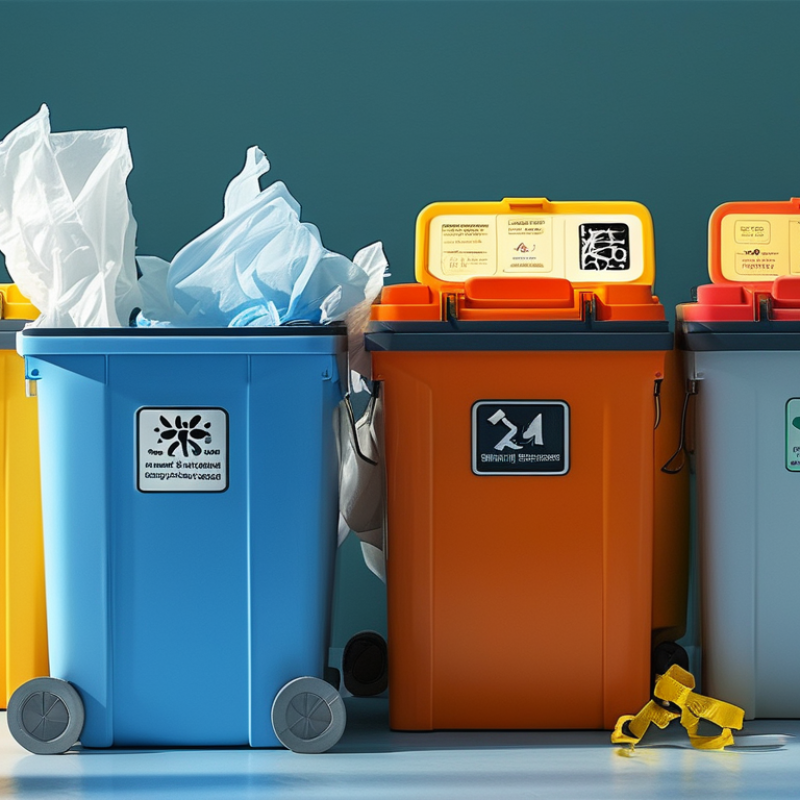
Medical waste poses significant hazards when not managed properly. It includes items like used needles, surgical gloves, and contaminated materials. Improper disposal can lead to health risks, such as infections and the spread of diseases. Every healthcare facility must recognize the importance of managing these dangerous materials effectively.
Understanding the types of medical waste is crucial. There are different categories, including infectious waste, hazardous waste, and pharmaceutical waste. Each category requires specific handling and disposal methods. For instance, sharps must be contained in puncture-resistant containers to prevent injuries. Facilities often struggle with segregation and classification of waste. This can lead to serious safety breaches and environmental damage.
Education and training are essential for all healthcare workers. They must be aware of the risks associated with medical waste. Regular training sessions could enhance compliance and reduce errors. However, not all facilities prioritize this training, leading to inconsistent practices. A comprehensive awareness of medical waste hazards is needed to foster a culture of safety and responsibility in healthcare settings.
Types of Medical Waste Bags Available in the Market
Medical waste bags play a crucial role in healthcare settings. They are designed to safely contain hazardous materials. Understanding the types available helps healthcare providers make better choices.
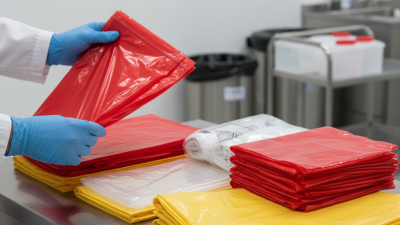
There are several types of medical waste bags. Red bags are commonly used for infectious waste. These bags help prevent the spread of pathogens. Yellow bags are for anatomical or pathological waste. These require special handling due to their nature. Each type is color-coded to streamline disposal processes.
While multiple options exist, not all bags meet the necessary standards. It’s essential to choose ones that are puncture-resistant and leak-proof. Some bags might not hold up under pressure. Additionally, improper disposal can lead to environmental hazards. Regular training on proper waste management is vital for compliance and safety.
Key Features to Look for in Medical Waste Bags
When it comes to medical waste disposal, selecting the right bags is crucial. Key features can make a significant difference in safety and compliance. One important aspect is puncture resistance. Medical waste can contain sharp objects, which can easily tear through low-quality bags. Opt for materials designed to withstand sharp edges and heavy loads.
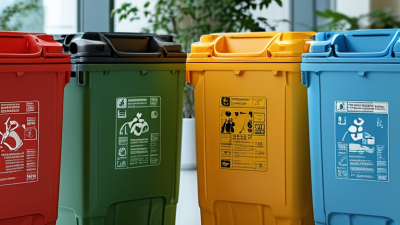
Another essential feature is color-coding. Using specific colors for different types of waste enhances identification and reduces the risk of cross-contamination. Choose bags that adhere to the standard color guidelines for hazardous waste. This practice helps streamline disposal and promotes compliance within your facility.
Tips for choosing the right medical waste bags include checking for certifications. Look for bags that meet industry standards for medical waste disposal. Additionally, consider the size of the bags based on your needs. A common pitfall is selecting the wrong size, which can lead to overflows and potential hazards. Lastly, evaluate the bag's seal strength. A strong seal helps prevent leaks and keeps hazardous materials contained. Proper disposal begins with informed choices.
Best Medical Waste Bags for Safe Disposal Solutions
Best Practices for Safe Disposal of Medical Waste Bags
When it comes to the disposal of medical waste bags, following best practices is crucial for safety. Proper handling begins with the selection of the right bags. They should be puncture-resistant and leak-proof. This ensures contaminants do not escape during transport. However, even the best bags cannot substitute for careful practices. Staff must be trained on how to handle and dispose of these materials safely.
Color-coded systems can enhance compliance and efficiency. For instance, red bags are commonly designated for biohazardous waste. Still, staff must understand the criteria for what constitutes biohazard materials. This understanding can be challenging. Sometimes, confusion leads to improper disposal, risking public health. Routine audits may help identify these gaps and reinforce proper protocol.
Disposing of medical waste requires diligence, but human error can occur. Regular staff training sessions are vital. These sessions should focus on updates and reinforce knowledge about hazards. Having a clear disposal guideline on display can serve as a daily reminder. Ultimately, creating a culture that prioritizes safe disposal helps reduce risks associated with medical waste.
Best Medical Waste Bags for Safe Disposal Solutions
| Type of Medical Waste Bag |
Material |
Capacity |
Color |
Disposal Method |
| Red Bags |
Low-density polyethylene |
15 gallons |
Red |
Incineration |
| Yellow Bags |
Polyethylene |
25 gallons |
Yellow |
Landfill |
| Biohazard Bags |
High-density polyethylene |
30 gallons |
Black |
Autoclaving |
| Chemotherapy Waste Bags |
Impact-resistant polyethylene |
10 gallons |
Purple |
Specialized Treatment |
| Sharps Container Bags |
Plastic |
Various sizes |
Opaque |
Incineration or Disposal |
Regulatory Standards Governing Medical Waste Disposal Solutions
Proper disposal of medical waste is crucial for public health. Regulatory standards govern this process to ensure that waste materials do not pose a threat to people or the environment. The U.S. Environmental Protection Agency (EPA) defines medical waste as items like needles, blood, and other biological contaminants. This waste requires special handling.
According to the World Health Organization, around 85% of medical waste is non-hazardous. However, the remaining 15% can be infectious or hazardous. This small percentage can cause significant harm if not managed correctly. Regulations often require the use of specific bags and containers to safely store and transport this type of waste. For instance, bags must be leak-proof and puncture-resistant.
Many facilities struggle to adhere to these regulations. A report from the Centers for Disease Control and Prevention highlights that up to 60% of healthcare facilities are not compliant with proper disposal methods. This reflects a need for improved training and resources. Adopting best practices for medical waste disposal can greatly reduce potential health risks. It is essential for healthcare providers to prioritize safe disposal solutions to protect communities more effectively.